
Hudson Hood-Withey – Senior Project Performance Manager
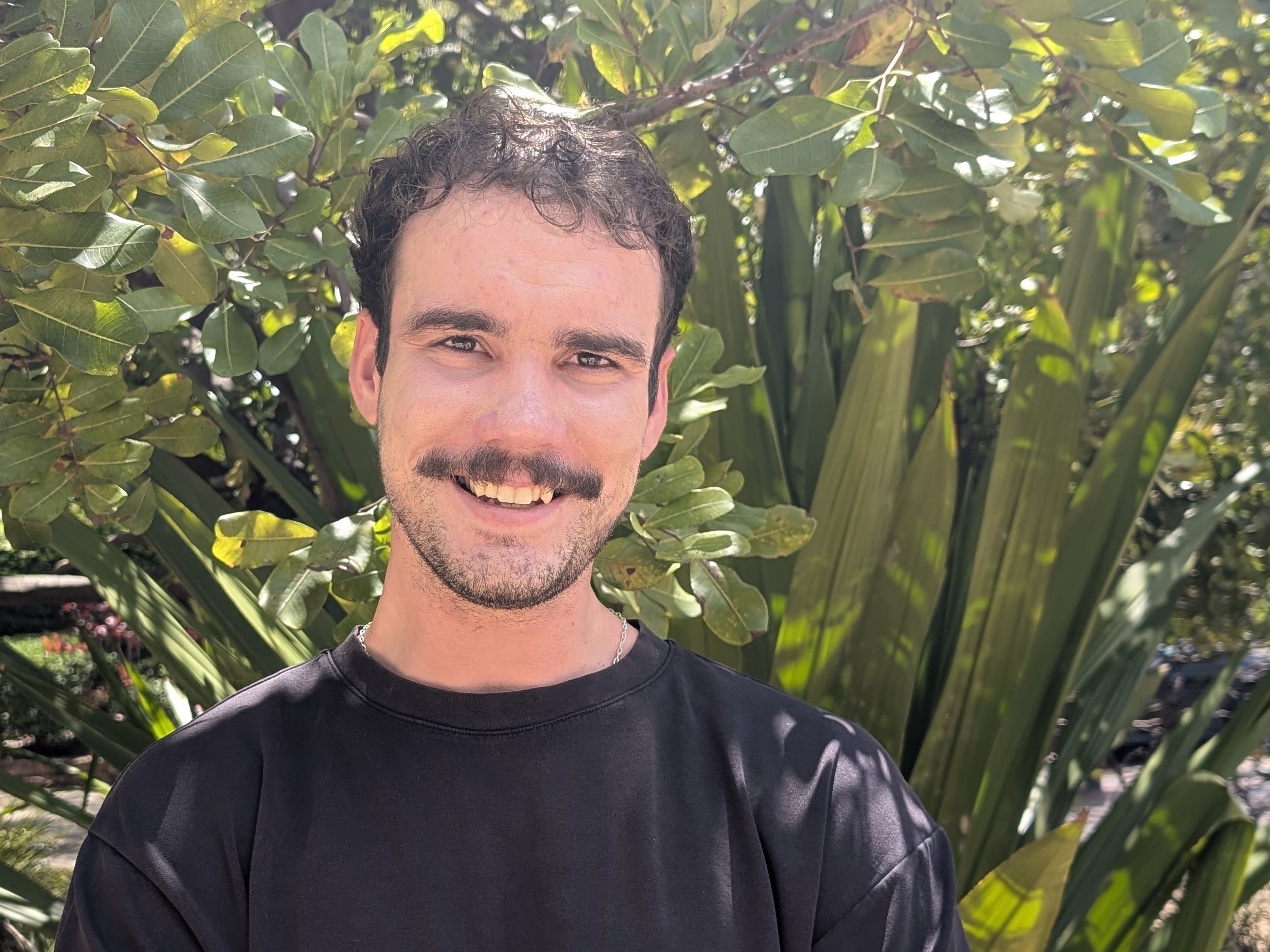
“I grew up on a pastoral station in Queensland – in the Southern Downs about an hour and a half outside of Toowoomba. I spent a lot of my childhood in the bush doing a bit of work for my dad on weekends and on school holidays.
“It was a cool way to grow up. Having three siblings, there was always plenty to do and make our own fun over, 12 or 14,000 acres.
“Through my teenage years, I became quite impassioned about climate change and the environment. So I did a Bachelor of Environmental Science at QUT. When I was a uni student in Brisbane, I did a fair bit of work for a conservation group called the Wilderness Society. I guess marrying that up with growing up in the bush, GreenCollar was kind of the perfect mix of those two things for me.
“In my job, there is the stakeholder engagement component of the work – working directly with our landholder partners and building those relationships – being a voice for them internally in the business and then being able to provide them updates on their projects. It’s obviously a professional relationship, but over time it also becomes quite personal. We also work on a lot of the auditor and government engagement.
“My favourite part of the job is definitely getting out into the bush. When you come up against a challenge on a particular project, or there’s some compliance hurdle that’s maybe cause for delay or creating a bit of a roadblock, I don’t necessarily work through that with the thought of having to hit some personal KPI or some business target. It’s about getting an outcome for these people that I’ve known for so many years – these people that I’ve built relationships with – is what sort of makes you want to do the work and get a result. And when you’ve worked with somebody on a project and seen it go through its first reporting period, through an assessment process, and are able to see those ACCUs issued and that project get off the ground, it’s pretty gratifying.
“Also it’s the idea of being able to achieve conservation outcomes, landscape restoration at scale on private land. That’s sort of the initial key driver. I don’t think anybody would be working at Green Collar if they weren’t passionate about those things.
“I think that, in the carbon scheme, working for a company like GreenCollar, we’re in this unique position where we’re sort of at the intersection of agriculture, primary industry and reversing the impacts of climate change.
“And when you think about it, our pastoralist agriculture sector will be at the front lines of the effects of climate change. We’re already about to see that potentially with a super El Nino in the coming years and how climate change can affect food production and that livelihood. We’re hopefully in a unique position to bring those two worlds together a bit more and build social license around why those two issues are so intrinsically linked.”
Cathy Waters – Head of Science
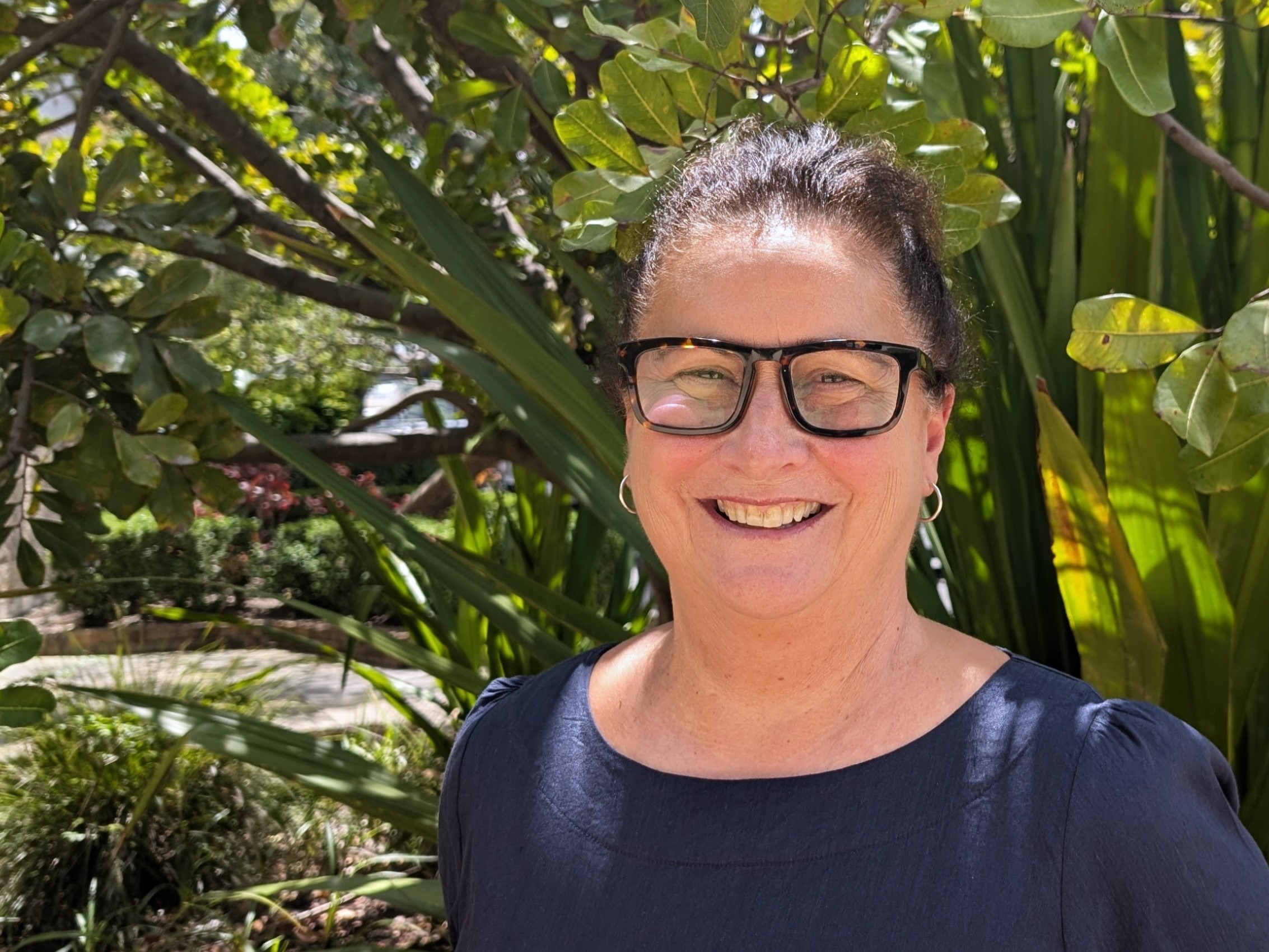
“I live in a very small rural community west of Dubbo. We’ve lived out here for more than 30 years now raising three girls, so I’m pretty wedged into the region.
“I’ve spent most of my professional career working in the space between agricultural production and the environment. I think people saw me as either ‘too brown’ for the environment and ‘too green’ for agriculture. At times I’ve struggled to keep a foot either side of the fence.
“I think GreenCollar’s work occupies the space between agriculture and environment really well by rewarding good stewardship.
“My father worked on aid projects as a medical doctor specialising in tropical medicine. While I had an aunt who lived in Dubbo, and I’d been out to her farm, I really knew nothing about Australian landscapes and agriculture before Uni.
“When I started Ag Science at Sydney Uni, I intended to work on diseases and pests in agronomy, doing aid work like my Dad. But when I graduated, I applied for a job at NSW DPI on one of the largest agricultural research stations in the southern hemisphere, at Trangie. I loved it – mucking around with sheep and cattle. I got to discover the rangelands and got hooked on the space, scale and the vegetation. I was lucky to work in other rangeland areas in the US and South Africa.
“I did a PhD in molecular ecology, looking at the genetic basis for adaptation in native plants. While I was mostly looking at the DNA in cells, to interpret and apply the results you needed to understand the ecology – the whole system. It taught me that to understand native systems and solve problems you always needed to understand the wider context.
“As Head of Science, I work closely with Jenny Sinclair, our Chief Scientist. R&D – research and development – is critical to ensure that we’re forging a path forward that’s based on reliable information. The role is a great balance of finding technical solutions and being out on projects seeing results.
“While we use a lot of remote sensing products and tools we also need onground information to understand the context. That helps us to make sure that some of the tools we use, for example for monitoring, are behaving as we expect them to and to understand any limitations.
“The reason why I wanted to join Green Collar was their business model of partnership rather than fee for service. The carbon projects are integrated into the existing farm business. It’s not adding risk to the landholder because the last thing you want to do is give them more risk to manage.
“The most important thing we can do is to cement an understanding that landholders are at the centre of everything that GreenCollar does. Keeping farm businesses viable in regions keeps people in communities and landscapes well managed.”