
In recent years, you have probably seen and heard high profile criticism in the media about the role grazing management plays in assisting carbon sequestration in human-induced regeneration (HIR) carbon projects.
It’s worth keeping in mind that this sort of reporting is part of a considered campaign that sets out to present a particular perspective, drawing upon a small number of invested players to serve their ideological goals.
GreenCollar’s approach has always been to engage in such discussions through science and to invest heavily in ongoing research and development. In this regard, last year we co-authored a research paper on grazing management that has been peer-reviewed and published in The Rangeland Journal.
The role of grazing management and climate in regeneration
Australian rangelands, which cover approximately 80% of the Australian continent, are playing a major role in helping to reduce climate change. Here, projects are avoiding greenhouse gas emissions, such as carbon dioxide (CO2), by retaining vegetation and not clearing it, or by removing CO2 from the atmosphere and storing it in vegetation (e.g. Human-induced regeneration (HIR) method).
These processes are commonly referred to as ‘abatement’ and the rangelands are providing approximately half of the abatement coming from the Australian land sector.
The main way this is achieved is by running nature-based carbon projects that operate under the HIR method. These projects use grazing management to help the native woody vegetation regenerate.
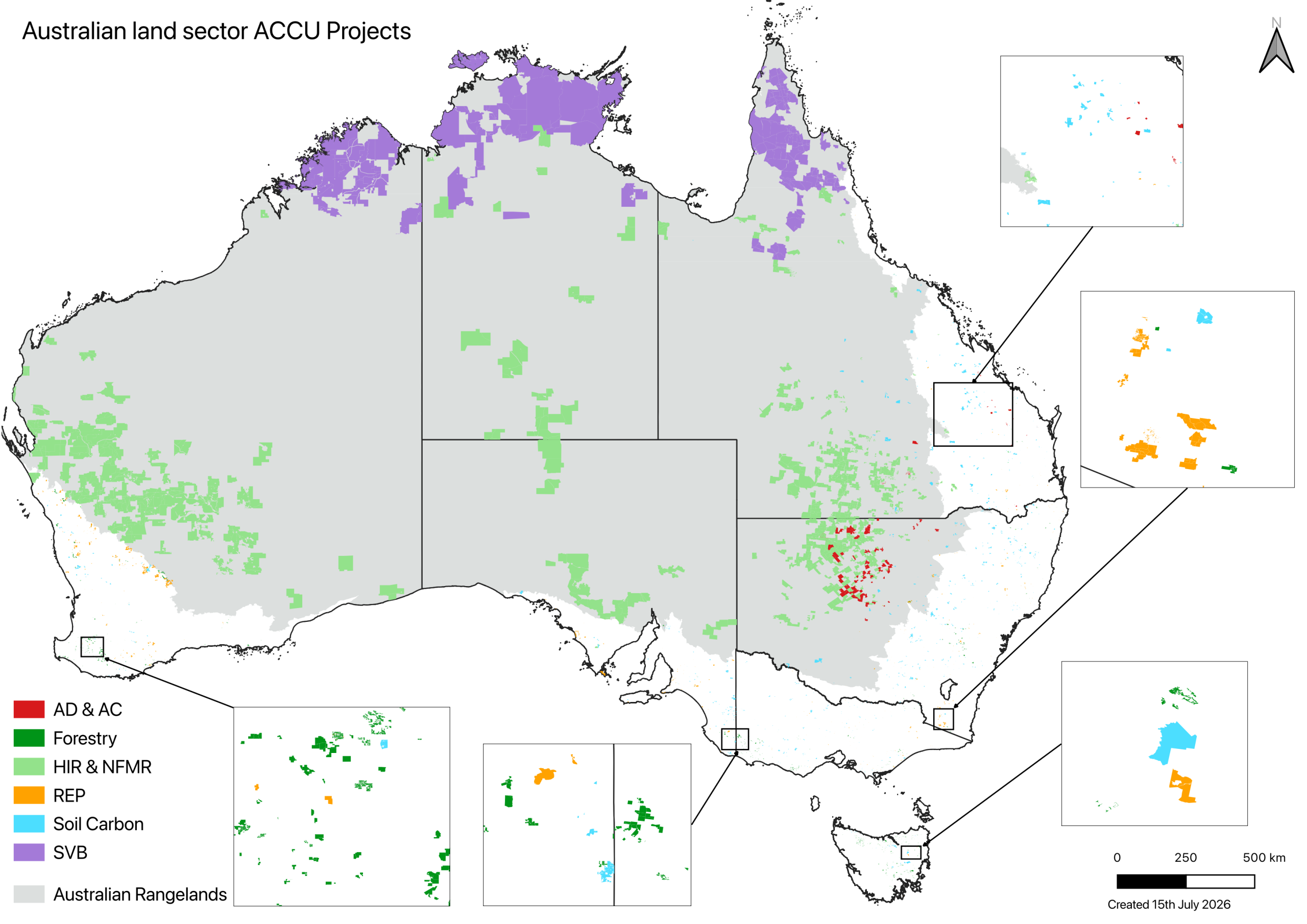
Figure 1: Current spatial distribution of different carbon farming projects across Australia under the ACCU (Australian Carbon Credit Unit) Scheme. Project areas represent project boundaries with colours indicating different vegetation and agricultural methods [Protecting existing forest – Avoided Clearing (AC) & Deforestation (AD); Managed forest and harvesting (Forestry); Assisted regeneration of native forests – (Human-induced Regeneration (HIR) and Native Forest from managed regrowth (NFMR)); Planting native forest – Rapid Environmental Plantings (REP); Soil Carbon; and Savanna Burning (SVB)].
Each tonne of CO2 that is stored in this woody vegetation generates an Australian Carbon Credit Unit (ACCU) that can be sold on the carbon market. Profits from these sales are channelled back through the farm gate, providing an additional source of income as well as an incentive to continue to undertake and expand this valuable work.
The science behind the way this works is that trees and shrubs can absorb CO2 through photosynthesis, forming biomass (trunks, branches, foliage, roots) in which it is stored. This process also contributes to carbon storage in the soil.
Grazing management can influence regeneration of woody vegetation in rangelands both directly and indirectly.
However, in order to optimise regeneration outcomes, grazing management decisions need to be made in response to climate-driven opportunities.
GreenCollar has been doing a lot of work in this area recently.
While climate is an important driver of woody regeneration, well implemented grazing management can ensure this growth reaches its fullest potential to achieve the best, most effective and long lasting results.
For example,
-
resting paddocks from grazing during above average rainfall events can help increase successful seedling survival and regeneration because it provides an opportunity for woody seedling germination and recruitment to take place without negative impact from high grazing pressure;
-
for regeneration of species that are palatable to livestock, recruitment of woody shrubs and trees will be most successful when rest periods coincide with an above average rainfall event, which triggers germination – ideally, this would be followed-up by further rainfall, which would then ensure establishment and survival of woody regeneration;
-
for both palatable and unpalatable species, employing grazing management to achieve increased levels of ground cover will result in ideal seedbed conditions for successful germination and establishment – because it improves landscape function by retaining soil moisture and protecting seedlings.
Climate influences diet selection among herbivores
Understanding what and where animals graze is an important consideration in managing native woody vegetation in rangelands. In order to influence regeneration outcomes, managementdecisions need to respond to climate-driven opportunities and risks. Opportunities come about from high rainfall events. Risks result from protracted periods of low rainfall.
What animals prefer to eat, and what they actually eat, will depend on the seasonal conditions and the other types of feed that is available.
In the rangelands, the prevailing seasonal conditions determine the availability of forage, which then influences grazing patterns. Different herbivores will each have different dietary preferences. But what they eat is determined by what else is on offer.
When diverse sources of forage are abundant, livestock and feral animals are able to be more selective in their diets. They can choose their preferred options (preferences) based largely on the species they find most palatable. They can do this because there is plenty of feed on offer.
By contrast, under dry conditions, the available feed options are reduced and dietary preferences can shift.
Goats will always consume a large proportion and a wider range of tree and shrub species relative to sheep and cattle. Sheep (Merino) and cattle ordinarily prefer pasture.
For example, under good seasonal conditions, the diet of a goat may contain up to 83% of hopbush (Dodonea viscosa). At the same time, merino sheep may have <6% of mulga (Acacia aneura) in their diets.
However, under dry conditions, merino sheep can increase their consumption of mulga to around 22% of their diets.
In fact, under deteriorating seasonal conditions, sheep, goats, cattle (and rabbits) will each increase their potential to consume a greater proportion of woody vegetation (seedlings, young and mature plants) than they would consume when conditions are good.
Under extremely dry conditions, most livestock, native and feral animals can turn to vegetation that would ordinarily be unpalatable to them.
Grazing behaviour changes in response to the availability of water
The distance livestock, native and feral animals have to travel to water will influence where they graze.
Waterpoints act as a focal point for animals, so grazing impact will be greatest close to water and decrease with distance from water.
This zone of impact is referred to as the ‘piosphere’.
The size of a paddock, the number of water points and dietary preferences will alter or distort the pattern of grazing. Merino sheep and goats will graze within 3 km of a water source. Cattle can graze up to 5 to 10 km from water. However, most of the time, grazing takes place close to water.
For example, cattle will spend 80 – 90% of their time grazing within 2-3 km from water.
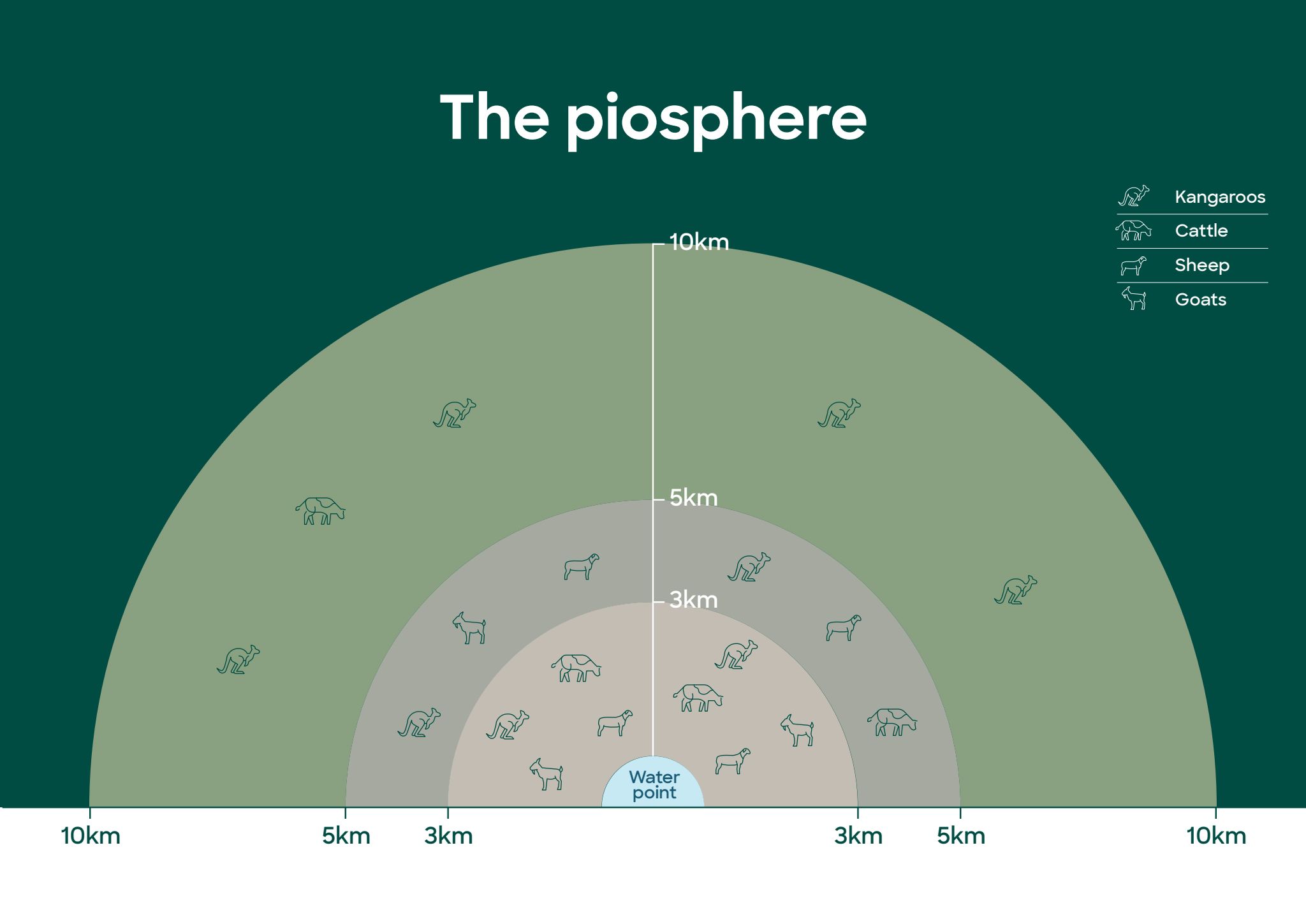
Figure 2: An illustration depicting an example of a piosphere.
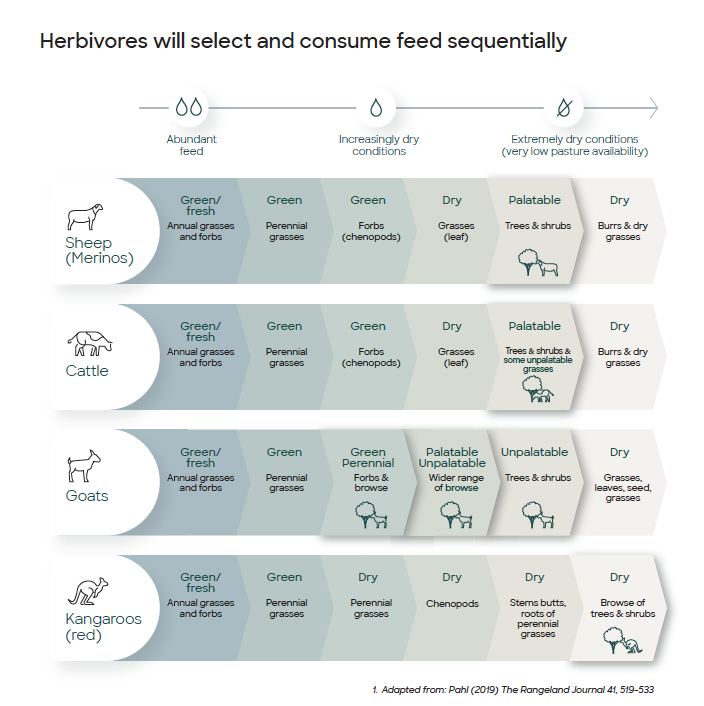
Figure 3: Herbivores will select feed from ‘pools’ in turn, starting with the best that is on offer. The sequence in which they consume feed will depend on the herbivore type. When feed is abundant, herbivores will exercise their greatest diet selectivity and therefore diets will diverge. Diets will start to converge as feed declines and then diverge again at very low levels of available pasture.
Livestock and feral animals are more dependent on water than kangaroos which, while they can also graze 5 to 10 km from water, are more efficient at conserving water than domestic animals.
Many factors influence an animal’s demand for water. These include body condition, animal physiology and temperature.
The piosphere effect illustrates the importance of water-point management and the role of infrastructure (water points and fencing) in influencing grazing behaviour. However, the availability of forage is the most important factor.
What is total grazing pressure and grazing intensity?
The combined impact of grazing on vegetation, which includes livestock, feral and native herbivores, is referred to as total grazing pressure. It is a significant factor in influencing the balance between pasture and woody vegetation.
At times the total grazing pressure can be almost double the grazing intensity exerted by livestock alone. It is therefore essential to manage all components of total grazing pressure, including domestic and non-domestic herbivores.
What impact does grazing management have on carbon sequestration?
Grazing management has the potential to directly affect the pattern of woody growth over time, and consequently the amount of carbon sequestration at critical stages of growth, which include:
- initial condition of the landscape (how much the land is degraded)
- woody germination and establishment
- woody growth and drought-induced mortality
and indirectly by influencing:
- the size of the regenerating soil seed bank, and
- the incidence of fire.
In the early stages of regeneration, grazing management will primarily influence patterns of carbon sequestration by influencing the fate of woody seedlings and the early growth of juvenile plants. Specific grazing management activities that will assist these stages include:
- the removal of grazing by all herbivores
- the manipulation of the type of herbivore (e.g., cattle vs sheep or goats – see above), and
- the control of total grazing pressure.
Additionally, grazing management can influence the accumulation of carbon stocks at other stages of the regeneration process. This is particularly the case in the early years of a project when the height of regenerating woody plants are still within the grazing reach of livestock or feral herbivores.
Grazing management has the potential to influence the magnitude and pattern of carbon accumulation by:
- dictating the size of the soil seed bank available to commence the regeneration process by providing a buffer against the effects of seed predation (e.g harvesting by ants) and (long-lasting) effects of preceding fire on seed production of woody species;
- influencing the functionality of the landscape within the carbon project area as this affects retention of water needed to create ideal seedbed conditions and to support establishment and growth;
- determining successful establishment by ensuring the survival of seedlings during the first summer and potentially regulating competitive effects between pasture biomass and seedlings;
- determining the growth rate of young plants and thus the time required to reach reproductive maturity, forest canopy height, and the susceptibility of regenerating stands to future drought (to the extent this is determined by plant size); and
- regulating the level of fuel (for example, from grasses) within HIR projects and surrounding areas, can reduce the likelihood and severity of a fire that could have a negative impact on regenerating woody vegetation.
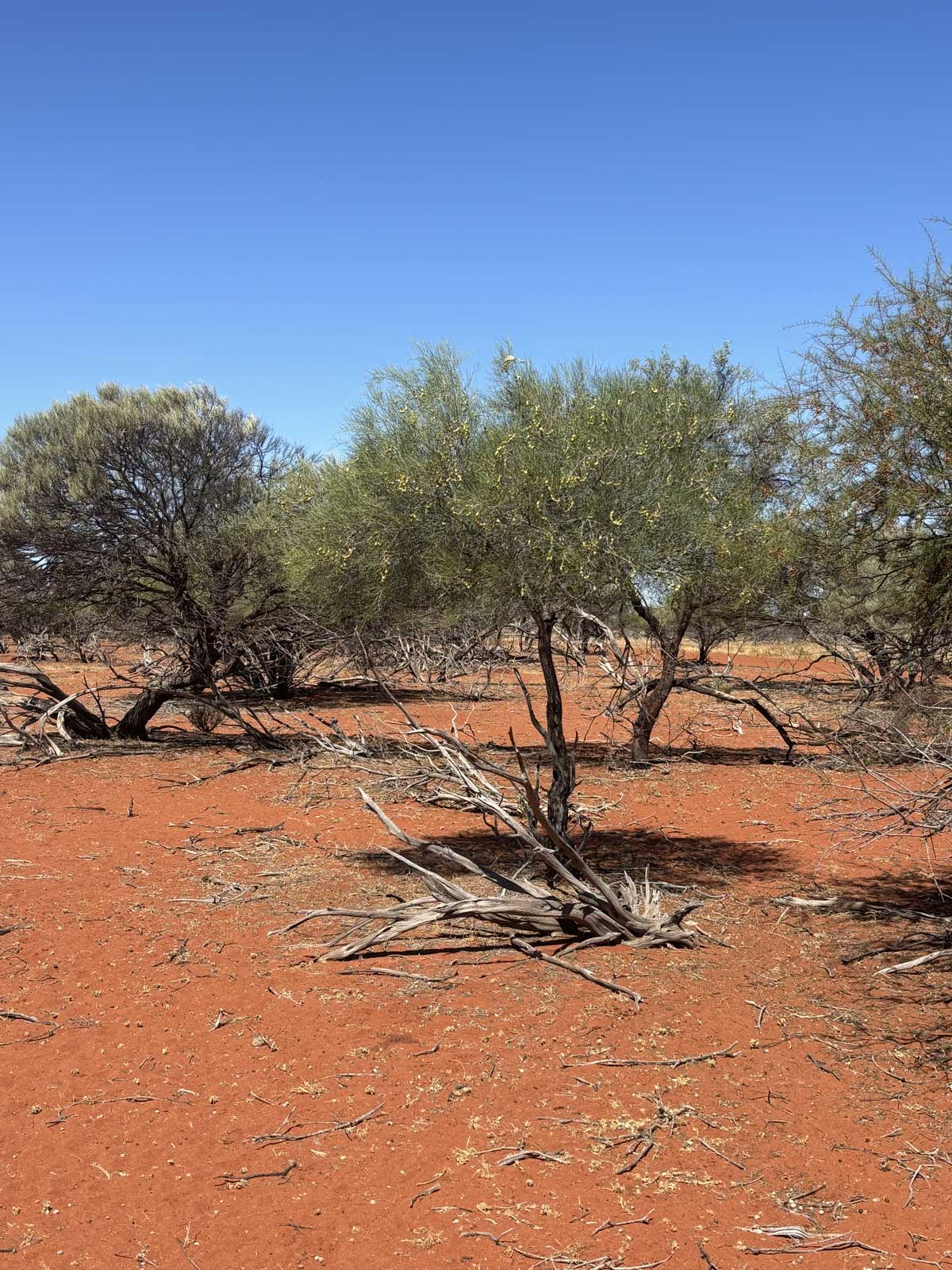
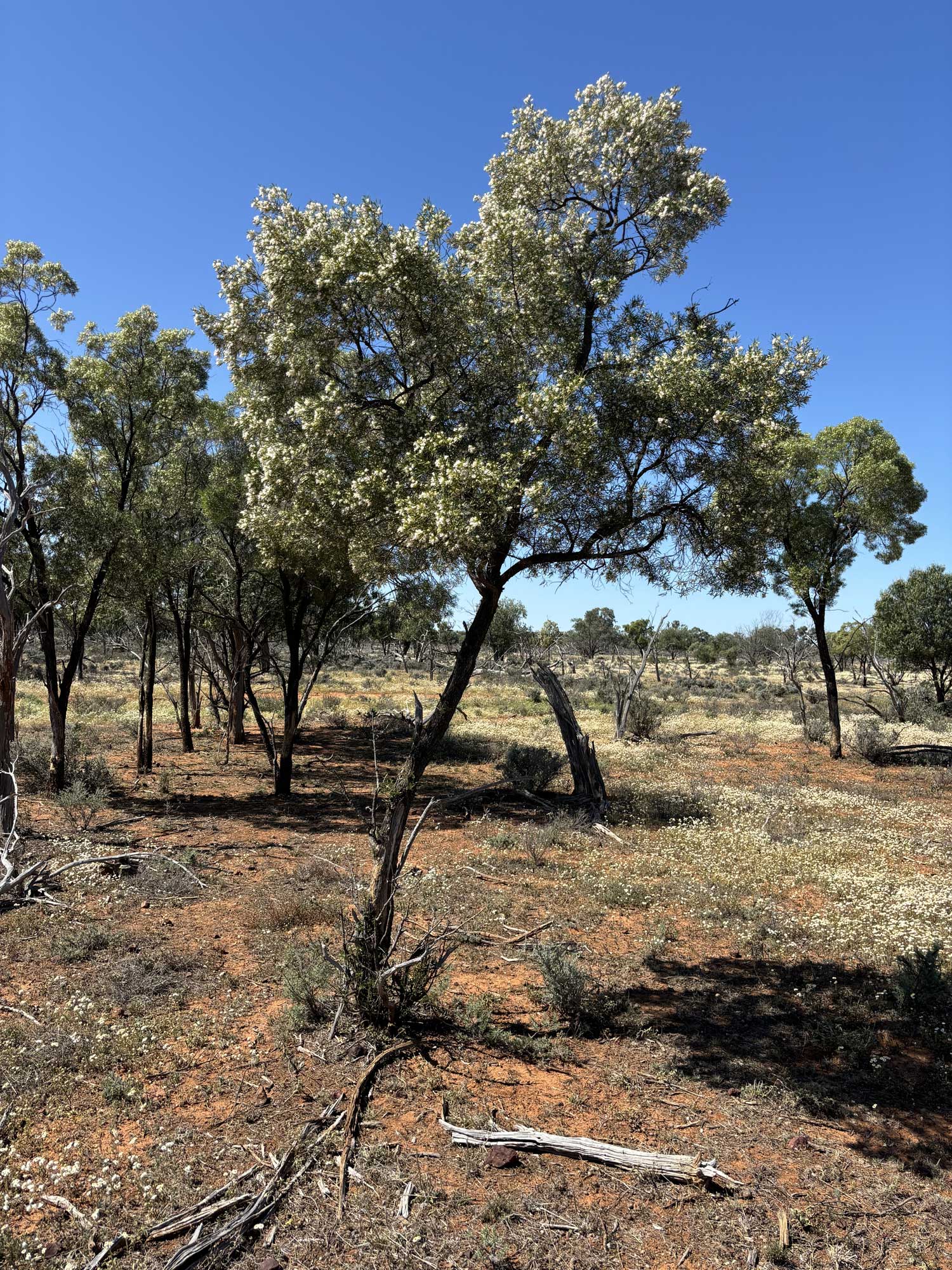
Figure 4: These photographs show the impact of grazing less palatable species following dry periods when little alternative forage is available. The photo on the left shows a clear browse line in Limestone Wattle (Acacia sclerosperma) found in Western Australia. The photo on the right shows re-sprouting Buddah (Eremophila mitchellii), which is widespread across eastern Australian rangelands, re-sprouting after effective grazing management decisions have been made.
Key take-aways
Our research demonstrates that, while rainfall patterns set the potential for carbon accumulation in HIR projects, it is clear that management of grazing can directly and indirectly enhance this process in varying ways at different stages of the lifecycle of regenerating native woody vegetation.
Specifically, understanding and applying principles for successful grazing management can positively influence:
- initial landscape condition,
- germination and establishment,
- growth and mortality, and
- will determine the direction and pattern of carbon accumulation.
The grazing management principles on this double page spread are intended to support landholders in the management of carbon projects.
Grazing Principles
- 1. Maintain landscape functionality to ensure suitable conditions for germination and establishment of woody seedlings.
- 2. Maximise early-stage growth and ensure the survival of woody seedling cohorts.
- 3. Develop infrastructure to allow best management of both domestic and non-domestic grazing pressure.
- 4. Maximise opportunities for both long term carbon accumulation and landscape integrity.
- Obtain the best available estimates of the DSE1 ratings for sheep (Merinos and Dorpers), goats, cattle and kangaroos and monitor total DSE over land units.
- Develop an estimate of the carrying capacity of the property for the current enterprise and current land condition, including the availability of browse, and express this as a benchmark value of DSE days/ha per 100 mm of (average) annual rainfall.
- Estimate prospective short term grazing capacity based on seasonal climate forecasts and the carrying capacity benchmark (or some alternative approach such as a grazing chart).
- Develop land management objectives (considering biodiversity and production issues as well as resource condition) for each paddock and associated grazing management strategies.
- Use monitoring as a basis for action, such as ground cover and utilisation level of key species.
- Establish monitoring systems that will provide the input required for tactical grazing responses and for assessing progress towards the management objective (these will be different systems, based on different measurements or observations).
- Develop ‘trigger points’ (dates beyond which stocking decisions should not be delayed, see Hacker et al. 2006) appropriate to the local environment to assist with management decision making.
- Manage non-domestic grazing pressure by appropriate and socially acceptable means (e.g., non-commercial culling of kangaroos by professional shooters, trapping and sale of unmanaged goats with no release of animals of no commercial value).
- Exclude grazing by all other livestock, and by native or feral herbivores when there is a large portion of palatable species.
- Establish fire breaks and/or use livestock to reduce fuel loads in carbon and adjacent areas to ensure that seedlings are protected from fire.
- Exclude grazing by all livestock and feral herbivores until regenerating plants have grown beyond the maximum grazing height.
- Exclude fire by establishing fire breaks and/or use of livestock to reduce fuel loads within areas being managed for carbon and adjacent areas
- Ensure that carbon project areas can be managed independently of areas retained for pastoral production.
- Use fencing specifications that provide the most cost-effective control of non-domestic grazing pressure.
- Fence according to land type as far as possible where new or replacement fencing is being erected.
- Establish infrastructure at watering points that allows efficient mustering of livestock and humane control of access to water by non-domestic herbivores.
- Exclude fire by establishing fire breaks and/or use of livestock to reduce fuel load in carbon and adjacent areas.
- Adjust grazing tactically to allow periodic recruitment of new woody plants to replace senescent individuals.
- Utilise no more than 20-30% of the annual forage production for grazing (or ensure that utilisation of perennial grasses does not exceed 20%).
- Ensure on-going monitoring of ground cover under forest canopy and adjust total grazing pressure as required to ensure that erosional cover thresholds are met.